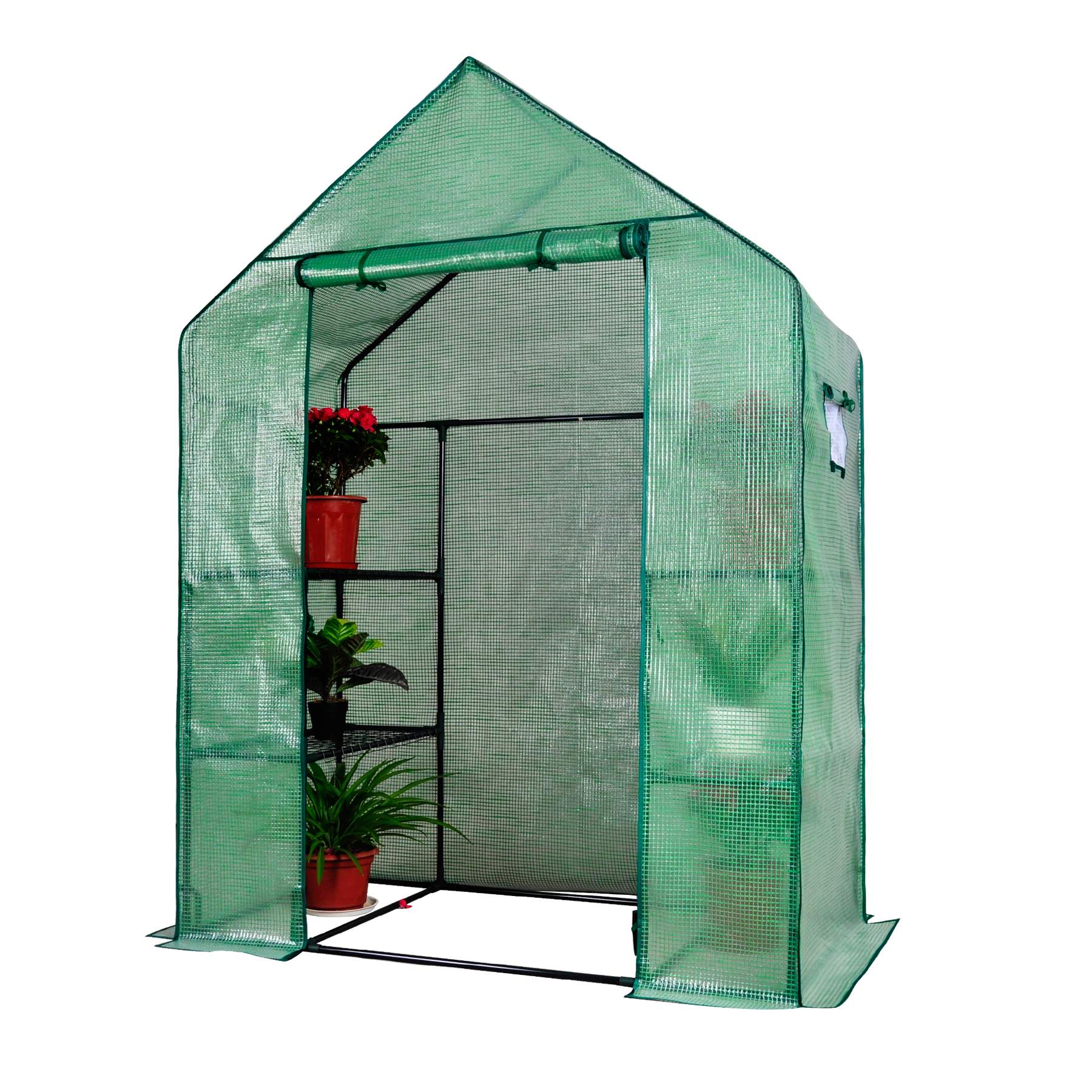
Greenhouses are a strong seasonal category for retailers because they connect directly with home gardening, balcony growing, vegetable cultivation and outdoor living. They are practical, visible products that customers can understand quickly: a greenhouse protects plants, extends the growing season and helps people organize their garden space.
For B2B buyers, the buying decision is broader than the benefit to the end user. A retailer needs to compare model size, frame material, cover type, packaging, replacement expectations, delivery format, margin and how the greenhouse fits into a wider garden product assortment.
This guide explains how retailers can evaluate wholesale greenhouses before adding them to a catalogue, marketplace range or seasonal garden campaign.
Why Greenhouses Are Attractive for Retailers
Greenhouses appeal to several types of customers. Some customers want to start seedlings earlier in the season. Others want to protect tomatoes, herbs or balcony plants. Many buyers are looking for an affordable way to make a small garden or terrace more productive.
That broad appeal makes greenhouses useful for different retail channels:
- Garden and DIY stores can present them as seasonal growing solutions.
- Homeware retailers can connect them with outdoor living and storage categories.
- Marketplace sellers can target clear search demand around compact and walk-in greenhouses.
- Discount retailers can use smaller models for spring promotions.
- B2B resellers can combine greenhouses with tools, planters and garden accessories.
The category also supports upselling. A customer buying a greenhouse may also need gloves, hand tools, seed trays, watering accessories, shelving or outdoor storage. For retailers, that makes greenhouses a category anchor rather than just a single seasonal product.
Main Greenhouse Formats to Compare
Greenhouses vary widely in format. Retailers should select models based on customer use case, delivery requirements and available selling space.
| Greenhouse type | Best fit | Buyer considerations |
|---|---|---|
| Walk-in greenhouse | Gardens, allotments, serious home growing | Higher perceived value, larger packaging, stronger logistics planning |
| Tier greenhouse | Balconies, patios, compact storage | Easy to promote, suitable for small spaces, usually simpler to ship |
| Tunnel greenhouse | Vegetable rows and seasonal planting | Practical for garden users, requires clear size communication |
| Tomato or upright plant greenhouse | Focused growing for tall plants | Good for specific campaigns around tomatoes, herbs and vegetables |
No single format is best for every retailer. A garden centre may want larger walk-in models, while an online seller may prefer compact tier greenhouses that are easier to ship and explain in product listings.
MSY's catalogue includes examples such as the Herzberg walk-in greenhouse with windows, Herzberg 4-tier greenhouse, Herzberg tunnel greenhouse and Herzberg tomato and upright plant greenhouse.
Frame, Cover and Ventilation
A greenhouse is simple in concept, but small construction details have a large effect on customer satisfaction. Retailers should review the frame, cover and ventilation before buying.
Frame
The frame affects stability, assembly and perceived quality. Lightweight frames are easier to package and ship, while stronger frames may better support larger structures. Retailers should check the frame material, tube diameter where available, connector quality and whether the assembly process is clear.
Cover
The cover protects plants from wind, light rain and temperature changes. For retail listings, buyers should confirm the cover material, transparency, closure type and whether replacement or care information is available. Clear product information helps customers choose the right model and reduces avoidable returns.
Ventilation and Access
Doors, windows and roll-up openings are important selling points. Ventilation helps customers manage heat and humidity, while easy access makes the product more practical for daily use. Product photos should show these features clearly.
Product Data Retailers Need Before Buying
Wholesale greenhouses should be evaluated with a product-data checklist. Complete data helps retailers create better listings, plan logistics and support customers after purchase.
Key information includes:
- Product dimensions when assembled
- Packaging dimensions and gross weight
- Frame material and cover material
- Number of shelves, windows, doors or openings
- Assembly requirements and included parts
- Product photos showing size, access and structure
- Intended use: balcony, patio, garden, vegetable rows or tall plants
- Minimum order quantity
- Lead time and replenishment conditions
- Barcode, SKU or product reference data
This information is especially important for online sales. Customers need to understand the final size of the greenhouse before buying, and retailers need to avoid unclear descriptions that lead to disappointment after delivery.
How Greenhouses Fit Into a Garden Retail Range
Greenhouses work best when they are part of a complete garden assortment. A retailer can build a stronger category by connecting greenhouses with complementary products.
Useful adjacent categories include:
- Garden hand tools
- Planters and pots
- Seed trays and growing accessories
- Watering products
- Outdoor storage
- Protective covers
- Seasonal DIY and home improvement products
This approach gives the customer a full solution rather than a single item. It can also improve basket value because customers often need several products to start or improve a growing setup.
For B2B buyers, the same principle applies when planning wholesale orders. A balanced garden campaign may include one compact greenhouse, one larger model, a few practical accessories and clear promotional timing around spring and early growing season.
Choosing the Right Model for Each Channel
Different retail channels need different greenhouse formats.
Physical Retail
Stores with floor space can use larger packaging and display models to attract attention. Walk-in greenhouses can work well when customers can see the size and structure. However, the retailer should plan storage and delivery carefully because large products require more space.
Marketplace Selling
Marketplace sellers need clear titles, accurate dimensions, strong images and simple comparison points. Compact greenhouses and tier models can be easier to ship and explain online. The listing should make the use case obvious: balcony, patio, tomato growing or garden bed protection.
Seasonal Promotions
Promotional campaigns need products with a clear value message. A small greenhouse can be positioned as an affordable way to start growing vegetables or protect plants. Larger models can support higher basket value when promoted as a garden upgrade.
B2B Resale and Distribution
Resellers and distributors need consistency, product data and replenishment clarity. They should compare not only the model itself, but also stock availability, packaging condition, logistics and supplier communication.
Logistics and Margin Considerations
Greenhouses can create attractive retail value, but packaging size and shipping costs must be reviewed before buying. A product with a strong selling price may still be difficult to manage if it takes too much warehouse space or has fragile packaging.
Retailers should compare:
- Carton size against warehouse space
- Shipping cost against expected retail margin
- Assembly complexity against customer support needs
- Product seasonality against stock risk
- Reorder timing against peak demand
The goal is to select a greenhouse that is commercially practical, not just appealing in product photos.
Buying Checklist for Wholesale Greenhouses
Before placing a wholesale order, retailers can use this checklist:
- Does the model match the target customer and retail channel?
- Are assembled dimensions and packaging dimensions clear?
- Are frame and cover materials described accurately?
- Do the photos show doors, windows, shelves and structure?
- Is the product easy to explain in a listing or on shelf signage?
- Does the supplier provide reliable stock and delivery information?
- Can the product be paired with garden tools or accessories?
- Is the expected margin still healthy after logistics costs?
- Is the product suitable for the planned season or campaign?
- Is the order quantity realistic for expected demand?
This checklist helps avoid common sourcing problems such as oversized stock, unclear customer expectations or weak category fit.
Common Mistakes to Avoid
Retailers should avoid choosing greenhouse products only by price. A low-cost model can become expensive if the listing is hard to explain, the carton is inefficient, or the product does not match the customer use case.
Other common mistakes include:
- Buying a large model without checking warehouse and delivery impact
- Listing a greenhouse without clear assembled dimensions
- Ignoring ventilation and access features
- Offering too many similar models with no clear difference
- Buying too late in the season, when customer demand has already peaked
- Treating greenhouses as isolated products instead of part of a garden range
The strongest results usually come from a clear assortment: one compact option, one practical garden option and complementary accessories that help customers complete the setup.
How MSY Supports B2B Garden Buyers
MSY supplies retailers, resellers and distributors with wholesale access across multiple categories, including seasonal garden and household products. For garden buyers, the value is the ability to compare practical products, request quotes and build a retail range around available stock and sourcing opportunities.
Retail buyers can use MSY to:
- Review current greenhouse and garden-related products
- Compare product formats and packaging
- Request wholesale pricing for suitable quantities
- Build seasonal campaigns around practical outdoor products
- Explore wider B2B sourcing support for garden, home and lifestyle ranges
Retailers can start with MSY's wholesale retail supply page or send a request through the quote form.
Final Recommendation
Wholesale greenhouses can be a strong retail category when the model, packaging and channel fit are clear. Retailers should compare more than the headline size or unit price. The best product is the one that customers can understand quickly, that the retailer can ship or display profitably, and that fits naturally into a broader garden assortment.
For many retailers, a balanced greenhouse range starts with one compact model, one larger walk-in or tunnel option and a clear set of garden accessories around the same season. This gives customers practical choice without creating unnecessary stock complexity.
Retail buyers can review available greenhouse models in the MSY catalogue, compare product formats and request wholesale pricing before planning the next garden campaign.

 and then Add to Home Screen.
