
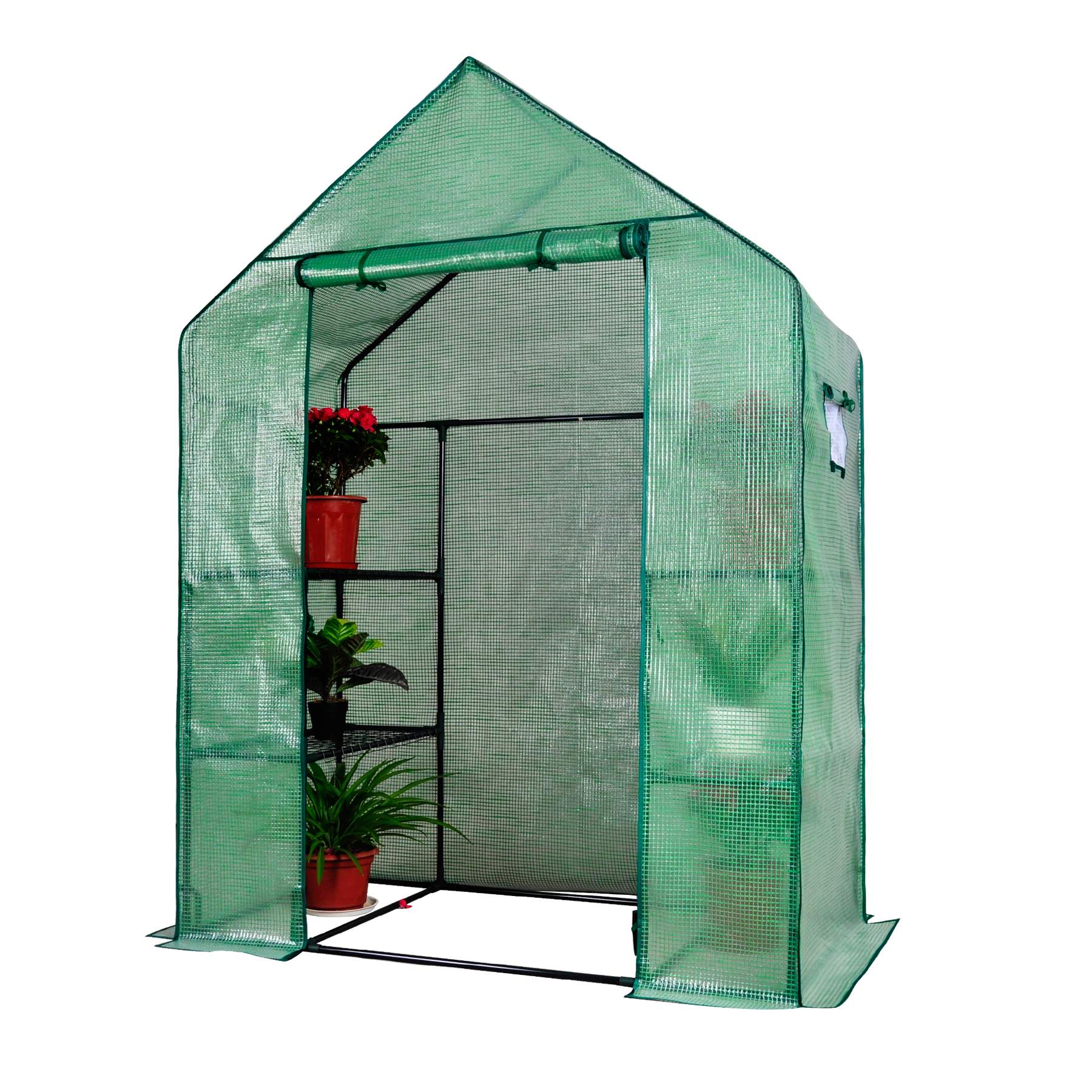
Szklarnie są silną kategorią sezonową dla sprzedawców detalicznych, ponieważ łączą się bezpośrednio z ogrodnictwem przydomowym, uprawą balkonową, uprawą warzyw i życiem na świeżym powietrzu. To praktyczne, widoczne produkty, które klienci mogą szybko zrozumieć: szklarnia chroni rośliny, wydłuża sezon wegetacyjny i pomaga ludziom zorganizować przestrzeń ogrodową.
W przypadku nabywców B2B decyzja o zakupie jest szersza niż korzyść dla użytkownika końcowego. Sprzedawca detaliczny musi porównać rozmiar modelu, materiał ramy, rodzaj osłony, opakowanie, oczekiwania dotyczące wymiany, format dostawy, marżę i dopasowanie szklarni do szerszego asortymentu produktów ogrodowych.
W tym przewodniku wyjaśniono, w jaki sposób sprzedawcy detaliczni mogą ocenić szklarnie hurtowe przed dodaniem ich do katalogu, asortymentu na rynku lub sezonowej kampanii ogrodowej.
Dlaczego szklarnie są atrakcyjne dla sprzedawców detalicznych
Szklarnie podobają się kilku typom klientów. Niektórzy klienci chcą rozpocząć sadzenie wcześniej w sezonie. Inni chcą chronić pomidory, zioła czy rośliny balkonowe. Wielu kupujących szuka niedrogiego sposobu na zwiększenie produktywności małego ogrodu lub tarasu.
Ta szeroka atrakcyjność sprawia, że szklarnie są przydatne w różnych kanałach sprzedaży detalicznej:
- Sklepy ogrodnicze i budowlane mogą zaprezentować je jako rozwiązania do uprawy sezonowej.
- Sprzedawcy artykułów gospodarstwa domowego mogą łączyć je z kategoriami dotyczącymi życia na świeżym powietrzu i przechowywania.
- Sprzedawcy na rynku mogą kierować reklamy na wyraźne zapotrzebowanie w zakresie wyszukiwania wokół szklarni kompaktowych i szklarni, do których można chodzić.
- Dyskonty mogą wykorzystywać mniejsze modele w wiosennych promocjach.
- Sprzedawcy B2B mogą łączyć szklarnie z narzędziami, donicami i akcesoriami ogrodowymi.
Kategoria wspiera także upselling. Klient kupując szklarnię może potrzebować także rękawiczek, narzędzi ręcznych, tacek na nasiona, akcesoriów do podlewania, półek czy miejsca do przechowywania na zewnątrz. Dla sprzedawców detalicznych oznacza to, że szklarnie są kotwicą kategorii, a nie tylko pojedynczym produktem sezonowym.
Główne formaty szklarni do porównania
Szklarnie różnią się znacznie formatem. Sprzedawcy detaliczni powinni wybierać modele w oparciu o przypadek użycia przez klienta, wymagania dotyczące dostawy i dostępną przestrzeń sprzedażową.
| Typ szklarni | Najlepsze dopasowanie | Względy kupującego |
|---|---|---|
| Szklarnia typu walk-in | Ogrody, działki, poważna uprawa w domu | Wyższa postrzegana wartość, większe opakowanie, lepsze planowanie logistyki |
| Poziomowa szklarnia | Balkony, tarasy, kompaktowe miejsca do przechowywania | Łatwy w promocji, odpowiedni do małych przestrzeni, zwykle łatwiejszy w transporcie |
| Szklarnia tunelowa | Rzędy warzyw i sadzenie sezonowe | Praktyczny dla użytkowników ogrodu, wymaga jasnej komunikacji dotyczącej rozmiaru |
| Szklarnia na pomidory lub rośliny pionowe | Uprawa ukierunkowana na wysokie rośliny | Nadaje się do konkretnych kampanii dotyczących pomidorów, ziół i warzyw |
Żaden format nie jest najlepszy dla każdego sprzedawcy. Centrum ogrodnicze może chcieć większych modeli, natomiast sprzedawca internetowy może preferować kompaktowe szklarnie piętrowe, które są łatwiejsze w transporcie i wyjaśnione na listach produktów.
Katalog MSY zawiera przykłady takie jak Szklarnia Herzberg z oknami, 4-poziomowa szklarnia Herzberg, Szklarnia tunelowa Herzberg I Szklarnia Herzberg na pomidory i rośliny pionowe.
Rama, osłona i wentylacja
Szklarnia jest prosta w koncepcji, ale drobne szczegóły konstrukcyjne mają duży wpływ na satysfakcję klienta. Sprzedawcy detaliczni powinni przed zakupem sprawdzić ramę, osłonę i wentylację.
Rama
Rama wpływa na stabilność, montaż i postrzeganą jakość. Lekkie ramy są łatwiejsze do pakowania i wysyłki, natomiast mocniejsze ramy mogą lepiej wspierać większe konstrukcje. Sprzedawcy detaliczni powinni sprawdzić materiał ramy, średnicę rurki, jeśli jest dostępna, jakość złącza i czy proces montażu jest przejrzysty.
Okładka
Osłona chroni rośliny przed wiatrem, lekkim deszczem i zmianami temperatury. W przypadku ofert detalicznych kupujący powinni potwierdzić materiał okładki, przezroczystość, rodzaj zamknięcia oraz dostępność informacji o wymianie lub pielęgnacji. Jasne informacje o produkcie pomagają klientom wybrać właściwy model i ograniczają możliwe do uniknięcia zwroty.
Wentylacja i dostęp
Drzwi, okna i rolety są ważnymi punktami sprzedaży. Wentylacja pomaga klientom zarządzać ciepłem i wilgocią, a łatwy dostęp sprawia, że produkt jest bardziej praktyczny w codziennym użytkowaniu. Zdjęcia produktów powinny wyraźnie pokazywać te cechy.
Dane produktu potrzebne sprzedawcom detalicznym przed zakupem
Szklarnie hurtowe należy oceniać za pomocą listy kontrolnej danych produktu. Kompletne dane pomagają sprzedawcom detalicznym tworzyć lepsze oferty, planować logistykę i wspierać klientów po zakupie.
Kluczowe informacje obejmują:
- Wymiary produktu po złożeniu
- Wymiary opakowania i waga brutto
- Materiał ramy i materiał pokrycia
- Liczba półek, okien, drzwi lub otworów
- Wymagania montażowe i dołączone części
- Zdjęcia produktu przedstawiające rozmiar, dostęp i strukturę
- Przeznaczenie: balkon, taras, ogród, szpalery warzywne lub rośliny wysokie
- Minimalna ilość zamówienia
- Czas realizacji i warunki uzupełnienia
- Kod kreskowy, SKU lub dane referencyjne produktu
Informacje te są szczególnie istotne w przypadku sprzedaży internetowej. Klienci muszą przed zakupem poznać ostateczny rozmiar szklarni, a sprzedawcy detaliczni muszą unikać niejasnych opisów, które mogą prowadzić do rozczarowania po dostawie.
Jak szklarnie pasują do oferty sprzedaży detalicznej w ogrodzie
Szklarnie sprawdzają się najlepiej, gdy stanowią część kompletnego asortymentu ogrodowego. Sprzedawca detaliczny może zbudować silniejszą kategorię, łącząc szklarnie z produktami uzupełniającymi.
Przydatne sąsiednie kategorie obejmują:
- Narzędzia ręczne ogrodowe
- Donice i doniczki
- Tacki na nasiona i akcesoria do uprawy
- Produkty do podlewania
- Przechowywanie na zewnątrz
- Osłony ochronne
- Sezonowe produkty do majsterkowania i majsterkowania
Takie podejście daje klientowi pełne rozwiązanie, a nie pojedynczy element. Może to również poprawić wartość koszyka, ponieważ klienci często potrzebują kilku produktów, aby rozpocząć lub ulepszyć rosnącą konfigurację.
W przypadku odbiorców B2B ta sama zasada obowiązuje przy planowaniu zamówień hurtowych. Zrównoważona kampania ogrodnicza może obejmować jedną kompaktową szklarnię, jeden większy model, kilka praktycznych akcesoriów i wyraźny harmonogram promocji w okolicach wiosny i wczesnego sezonu wegetacyjnego.
Wybór odpowiedniego modelu dla każdego kanału
Different retail channels need different greenhouse formats.
Fizyczny handel detaliczny
Sklepy posiadające powierzchnię użytkową mogą zastosować większe modele opakowań i ekspozycji, aby przyciągnąć uwagę. Szklarnie stacjonarne mogą dobrze działać, gdy klienci mogą zobaczyć rozmiar i strukturę. Jednakże sprzedawca detaliczny powinien dokładnie zaplanować przechowywanie i dostawę, ponieważ duże produkty wymagają więcej miejsca.
Sprzedaż na rynku
Sprzedawcy na rynku potrzebują jasnych tytułów, dokładnych wymiarów, mocnych obrazów i prostych punktów porównawczych. Przesyłanie i wyjaśnianie w Internecie kompaktowych szklarni i modeli warstwowych może być łatwiejsze. Lista powinna jasno przedstawiać przypadek użycia: balkon, patio, uprawa pomidorów lub ochrona grządek.
Promocje sezonowe
Kampanie promocyjne potrzebują produktów z jasnym przekazem wartości. Małą szklarnię można ustawić jako niedrogi sposób na rozpoczęcie uprawy warzyw lub ochronę roślin. Większe modele mogą obsługiwać wyższą wartość koszyka, gdy są promowane jako ulepszenie ogrodu.
Sprzedaż i dystrybucja B2B
Sprzedawcy i dystrybutorzy potrzebują spójności, danych produktów i przejrzystości w zakresie uzupełniania zapasów. Powinni porównać nie tylko sam model, ale także dostępność towaru, stan opakowania, logistykę i komunikację z dostawcami.
Zagadnienia dotyczące logistyki i marży
Szklarnie mogą tworzyć atrakcyjną wartość detaliczną, ale przed zakupem należy sprawdzić wielkość opakowania i koszty wysyłki. Produkt o wysokiej cenie sprzedaży może być nadal trudny w zarządzaniu, jeśli zajmuje zbyt dużo miejsca w magazynie lub ma delikatne opakowanie.
Sprzedawcy powinni porównać:
- Rozmiar kartonu w stosunku do powierzchni magazynu
- Koszt wysyłki w stosunku do oczekiwanej marży detalicznej
- Złożoność montażu w stosunku do potrzeb obsługi klienta
- Sezonowość produktów a ryzyko zapasów
- Zmień harmonogram w stosunku do szczytowego zapotrzebowania
Celem jest wybranie szklarni, która będzie praktyczna z komercyjnego punktu widzenia, a nie tylko atrakcyjna na zdjęciach produktów.
Lista kontrolna zakupów dla szklarni hurtowych
Przed złożeniem zamówienia hurtowego sprzedawcy detaliczni mogą skorzystać z poniższej listy kontrolnej:
- Czy model jest dopasowany do docelowego klienta i kanału sprzedaży?
- Czy wymiary po złożeniu i wymiary opakowania są jasne?
- Czy materiały ramy i pokrywy są dokładnie opisane?
- Do the photos show doors, windows, shelves and structure?
- Czy produkt można łatwo opisać na liście lub na oznakowaniu półki?
- Czy dostawca zapewnia wiarygodne informacje o zapasach i dostawie?
- Czy produkt można łączyć z narzędziami lub akcesoriami ogrodowymi?
- Czy oczekiwana marża jest nadal wysoka po uwzględnieniu kosztów logistyki?
- Czy produkt jest odpowiedni na planowany sezon lub kampanię?
- Czy wielkość zamówienia jest realistyczna w stosunku do oczekiwanego popytu?
Ta lista kontrolna pomaga uniknąć typowych problemów związanych z zaopatrzeniem, takich jak zbyt duże zapasy, niejasne oczekiwania klientów lub słabe dopasowanie do kategorii.
Typowe błędy, których należy unikać
Sprzedawcy detaliczni powinni unikać wybierania produktów szklarniowych wyłącznie według ceny. Tani model może stać się kosztowny, jeśli trudno wyjaśnić opis na liście, opakowanie jest nieefektywne lub produkt nie pasuje do przypadku użycia klienta.
Inne częste błędy to:
- Kupno dużego modelu bez sprawdzania wpływu na magazyn i dostawę
- Wystawienie szklarni bez wyraźnych wymiarów po złożeniu
- Ignorowanie funkcji wentylacji i dostępu
- Oferowanie zbyt wielu podobnych modeli bez wyraźnej różnicy
- Kupowanie zbyt późno w sezonie, kiedy zapotrzebowanie klientów osiągnęło już szczyt
- Traktowanie szklarni jako izolowanych produktów, a nie części ogrodu
Najlepsze rezultaty zwykle daje przejrzysty asortyment: jedna kompaktowa opcja, jedna praktyczna opcja ogrodowa i uzupełniające akcesoria, które pomagają klientom dokończyć konfigurację.
Jak MSY wspiera nabywców ogrodów B2B
MSY zapewnia sprzedawcom detalicznym, odsprzedawcom i dystrybutorom hurtowy dostęp do wielu kategorii, w tym sezonowych artykułów ogrodowych i gospodarstwa domowego. Dla nabywców ogrodów wartością jest możliwość porównania praktycznych produktów, zapytania o wycenę i zbudowania asortymentu detalicznego w oparciu o dostępne zapasy i możliwości zaopatrzenia.
Kupujący detaliczni mogą wykorzystać MSY do:
- Przejrzyj aktualne produkty szklarniowe i ogrodnicze
- Porównaj formaty produktów i opakowania
- Zapytaj o cenę hurtową dla odpowiednich ilości
- Buduj kampanie sezonowe wokół praktycznych produktów outdoorowych
- Poznaj szersze wsparcie w zakresie zaopatrzenia B2B dla asortymentu ogrodniczego, domowego i lifestylowego
Sprzedawcy detaliczni mogą zacząć od MSY strona z hurtową dostawą detaliczną lub wyślij zapytanie poprzez formularz wyceny.
Ostateczne zalecenie
Szklarnie hurtowe mogą być silną kategorią sprzedaży detalicznej, jeśli model, opakowanie i dopasowanie kanału sprzedaży są jasne. Sprzedawcy detaliczni powinni porównywać nie tylko wielkość nagłówka czy cenę jednostkową. Najlepszy produkt to taki, który klienci mogą szybko zrozumieć, który sprzedawca może z zyskiem wysłać lub wystawić i który w naturalny sposób pasuje do szerszego asortymentu ogrodowego.
Dla wielu sprzedawców zrównoważony asortyment szklarni zaczyna się od jednego kompaktowego modelu, jednej większej opcji z wejściem lub tunelem i przejrzystego zestawu akcesoriów ogrodowych na ten sam sezon. Daje to klientom praktyczny wybór bez tworzenia niepotrzebnej złożoności zapasów.
Kupujący detaliczni mogą przejrzeć dostępne modele szklarni w katalogu MSY, porównać formaty produktów i poprosić o cenę hurtową przed zaplanowaniem kolejnej kampanii ogrodniczej.

 a następnie Dodaj do ekranu głównego.
