

Key Takeaways
- Discover how to identify and choose the best wholesale supplier in Europe.
- Learn the essential factors to consider when selecting a supplier.
- Understand the importance of building strong supplier relationships.
- Gain insights into sustainable and ethical sourcing practices.
- Learn how to assess the evidence in supplier partnership examples.
Introduction
Choosing the right wholesale supplier is a critical decision for any business. There are many misconceptions about wholesale suppliers, from assuming all suppliers offer the same quality to thinking price is the only factor to consider. This guide aims to break these myths and provide you with comprehensive insights into selecting the perfect wholesale supplier for your needs. Whether you're a seasoned business owner or just starting, this guide will help you navigate the complexities of supplier selection, ensuring you make informed decisions that drive your business forward.
Understanding Wholesale Suppliers

Definition of Wholesale Suppliers
Wholesale suppliers are businesses that sell products in bulk at a lower price to retailers, who then sell these products to consumers at a higher price. They play a crucial role in the supply chain by acting as intermediaries between manufacturers and retailers.
Types of Wholesale Suppliers
There are several types of wholesale suppliers, including:
- Manufacturers: They produce goods and sell them directly to retailers.
- Distributors: They purchase products from manufacturers and resell them to retailers.
- Importers: They source products from international markets and distribute them domestically.
- Dropshipping suppliers: They store products and dispatch orders to the retailer’s customers. The retailer may not hold that inventory. Confirm who owns stock and who is responsible for fulfilment; this is a general model description, not a statement that MSY offers dropshipping.
The Role of Wholesale Suppliers in the Supply Chain
Wholesale suppliers are pivotal in ensuring products move efficiently from manufacturers to retailers. They handle bulk orders, manage inventory, and provide logistical support, making it easier for retailers to focus on sales and customer service.
Benefits of Working with European Wholesale Suppliers
European supplier location can be one factor in your evaluation, but it does not guarantee product quality, delivery speed or availability. Compare the product documentation, actual stock information, destination and confirmed terms for each offer.
Key Factors to Consider When Choosing a Wholesale Supplier
- Reliability and Reputation: Ensure the supplier is known for timely deliveries and high-quality products.
- Product Range and Quality: Verify the variety and standard of products they offer.
- Pricing and Payment Terms: Compare prices and understand their payment conditions to ensure they fit your budget.
Researching Potential Wholesale Suppliers
You can find potential suppliers through online directories, trade shows, industry associations, and networks. For instance, a reputable supplier like MSY.be is known for its diverse product range and excellent customer service.
Evaluating Supplier Reliability and Reputation

Reading Reviews and Testimonials
Check reviews and testimonials from other businesses to gauge a supplier’s reliability. Look for consistent positive feedback and any recurring issues.
Checking Certifications and Accreditations
Request the product documentation applicable to the intended use and market. Check that it identifies the exact reference and responsible business. A supplier certificate alone is not a guarantee of every product’s quality or compliance.
Verifying Business Legitimacy
Conduct background checks to confirm the supplier's legitimacy. This can include verifying business licenses, checking financial stability, and ensuring they have a physical office.
Assessing Product Range and Quality
- Requesting Product Samples: Before committing, request samples to assess the quality firsthand.
- Reviewing Product Specifications and Standards: Ensure the products meet your specific requirements and industry standards.
- Understanding the Supplier’s Quality Control Processes: Ask about their quality control measures to ensure consistent product quality.
Understanding Pricing and Payment Terms
Comparing Pricing Structures
Compare the pricing structures of different suppliers to ensure you're getting competitive rates. Factor in volume discounts and any additional costs.
Negotiating Payment Terms
Confirm payment methods, payment timing and any expressly agreed discounts before placing an order. Do not assume credit or deferred payment is available. MSY does not offer financing.
Understanding Hidden Costs and Fees
Be aware of any hidden costs such as shipping fees, customs duties, or additional service charges that could impact your overall expenses.
Importance of Supplier Communication and Support

Effective Communication Channels
Ensure the supplier has clear and reliable communication channels. This includes email, phone, and online chat support.
Responsiveness and Customer Support
Assess the supplier’s responsiveness to inquiries and their ability to resolve issues promptly. Good customer support is crucial for a smooth business relationship.
Handling Disputes and Issues
Understand the supplier's process for handling disputes and issues. A clear, fair process will help resolve problems quickly and maintain a positive relationship.
Building Strong Supplier Relationships
Strategies for Long-Term Partnerships
Focus on building long-term partnerships based on mutual trust and benefits. Regular communication and collaboration can strengthen these relationships.
Mutual Benefits and Collaboration
Work with your supplier to create mutually beneficial arrangements. This could include co-marketing efforts, shared resources, or joint product development.
Regular Performance Reviews and Feedback
Conduct regular performance reviews and provide feedback to ensure continuous improvement. This helps maintain high standards and address any issues promptly.
Navigating Legal and Compliance Issues

Understanding Import/Export Regulations
Ensure compliance with import/export regulations to avoid legal issues and penalties. Stay updated on changes in regulations that may affect your business.
Ensuring Compliance with Industry Standards
Identify the requirements relevant to the exact product and destination, then request the supporting documentation. Do not infer product safety or compliance solely from a supplier’s location or a general certification.
Handling Contracts and Agreements
Draft clear contracts outlining the terms of your agreement, including product specifications, delivery schedules, and payment terms. This helps prevent misunderstandings and disputes
Sustainable and Ethical Sourcing
Importance of Sustainability in Supply Chains
Sustainability is becoming increasingly important in supply chains. It ensures long-term resource availability and meets the growing demand for eco-friendly products.
Identifying Ethical Suppliers
Look for suppliers committed to ethical practices, such as fair labor conditions, environmental protection, and responsible sourcing.
Implementing Sustainable Practices
Incorporate sustainable practices in your operations, such as reducing waste, optimizing logistics, and using eco-friendly materials.
How to Evaluate Supplier Partnership Case Studies
Examples from Various Industries
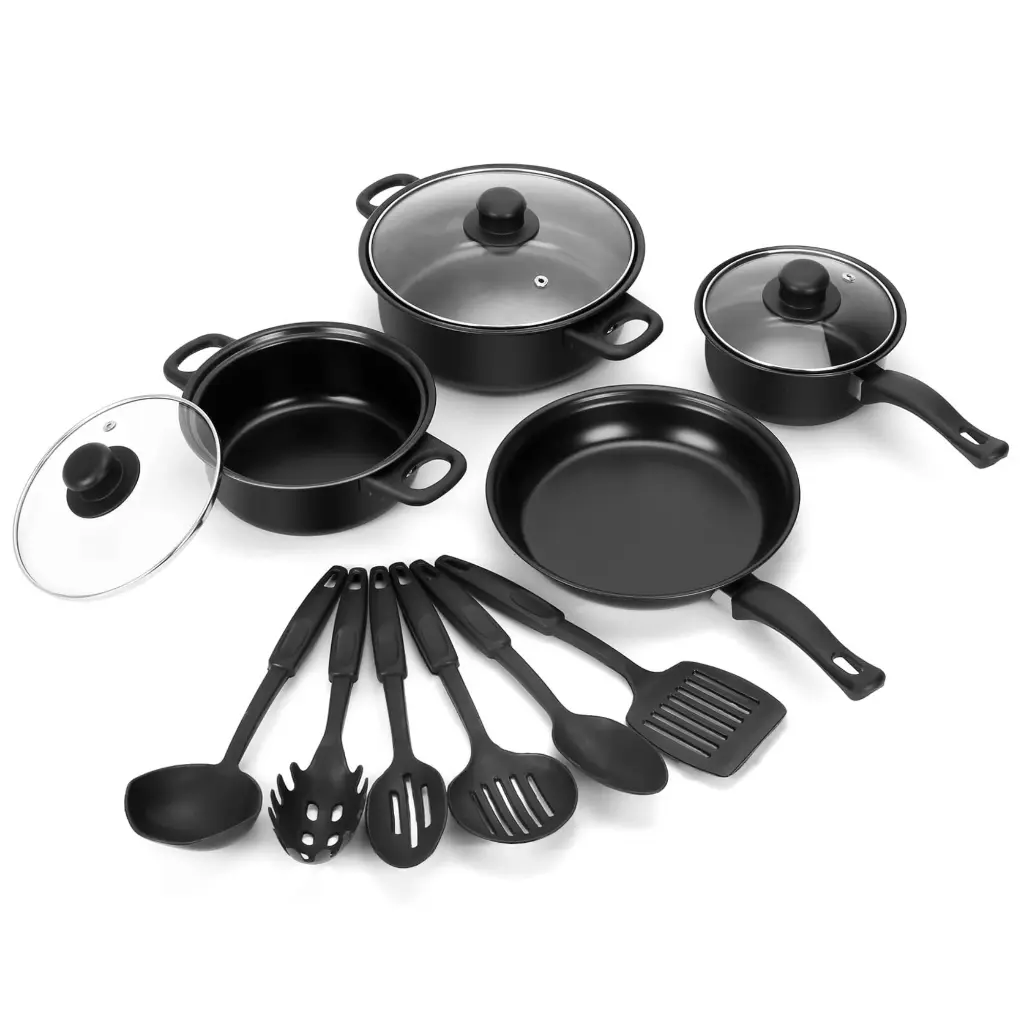
When reviewing a supplier’s case study, check whether the customer, product range, period and measured outcomes are identified. Treat an unattributed example as an illustration rather than verified customer evidence.
Lessons Learned and Best Practices
Identify the lessons learned and best practices from these case studies. Apply these insights to improve your supplier relationships and overall business operations.
Adapting Strategies for Your Business
Adapt the strategies and practices from successful partnerships to suit your specific business needs and goals.
Conclusion
Recap of Key Points
Choosing the right wholesale supplier involves careful research, evaluation, and relationship-building. Consider factors like reliability, product quality, pricing, and communication.
Final Tips for Choosing a Wholesale Supplier
Take your time to find the right supplier. Don’t rush the process, and always prioritize quality and reliability over cost.
Encouragement to Start Your Search
Now that you have the tools and knowledge, start your search for the perfect wholesale supplier. Remember, the right partner can significantly impact your business’s success.

 and then Add to Home Screen.
