
In the competitive world of business-to-business (B2B) commerce, sourcing premium cookware and kitchen accessories efficiently can significantly impact a company’s bottom line. Whether you're a restaurant owner, a kitchenware retailer, or a procurement manager for a hospitality group, finding reliable suppliers that offer quality products at competitive prices is crucial. This blog will guide you through the best practices for efficient B2B sourcing of premium cookware and kitchen accessories.
Understanding Your Needs
Before diving into the sourcing process, it's essential to have a clear understanding of your specific needs. Few questions you should consider:
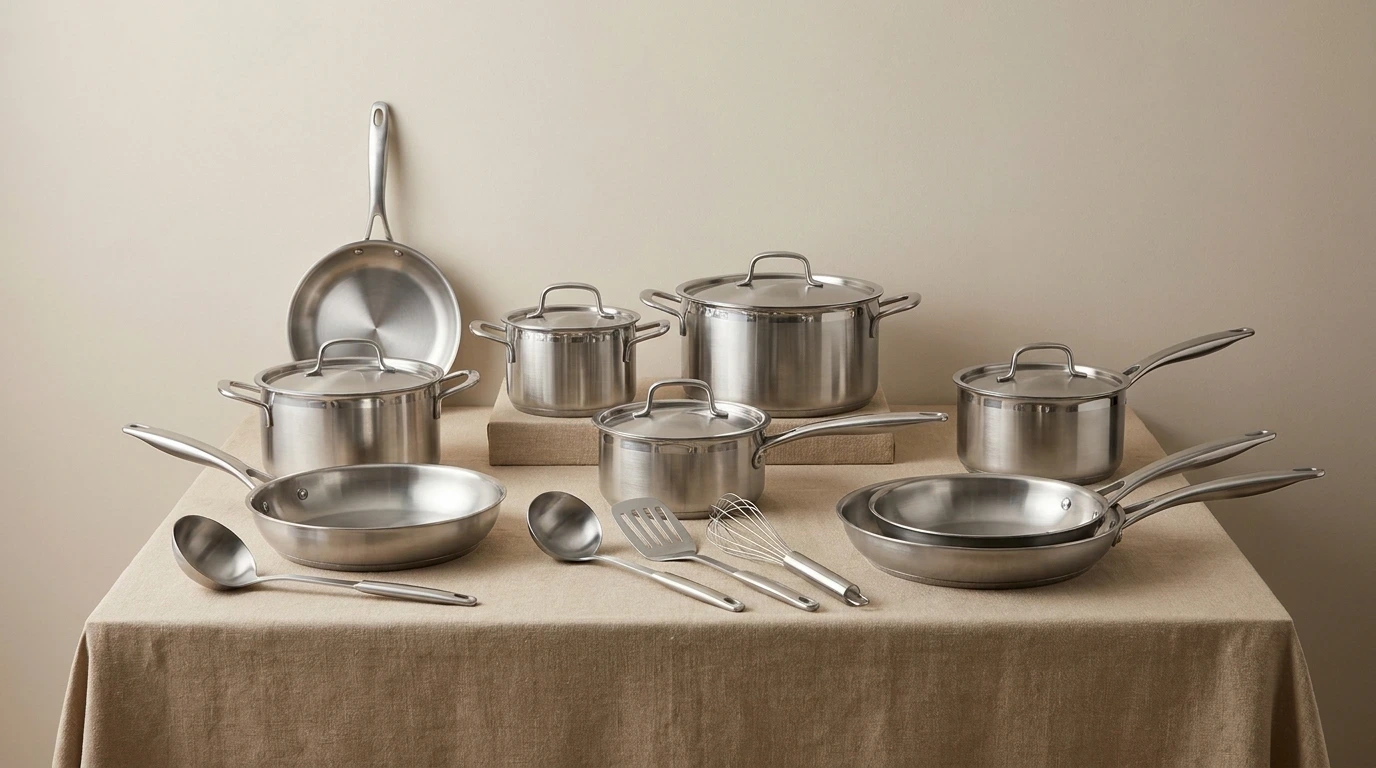
- Specific Requirements: Identify the exact types of cookware and kitchen accessories needed, such as stainless steel pans for durability or specialized chef knives for precision.
- Budget Considerations: Determine a budget range to align with your purchasing goals and supplier negotiations effectively.
- Quality Standards: Define your quality benchmarks, considering factors like material durability, product warranty, and compliance with industry standards.
Researching Suppliers
Research is the foundation of efficient sourcing. Here are some advanced tips for finding reliable suppliers:
- Online Directories and Marketplaces: Utilize platforms like Alibaba, Global Sources, and ThomasNet not only to discover suppliers but also to compare pricing, read reviews, and assess product catalogs.
- Trade Shows and Expos: Check current event names, dates, exhibitor lists and visitor requirements before arranging supplier meetings. Use product demonstrations to compare the references relevant to your business.
- Industry Publications and Networks: Join professional networks like the National Restaurant Association (NRA) or the Specialty Food Association (SFA) for access to supplier directories, industry reports, and peer recommendations.
Reliable Wholesale Suppliers
Identifying reputable wholesale suppliers is critical to successful sourcing. Here are three standout examples of suppliers known for their premium offerings:
- MSY Invest Sprl: A Belgium-based wholesale supplier of cookware, kitchenware and kitchen accessories. Compare the specifications, care instructions, applicable product documentation, prices and order conditions for the exact references you intend to buy. A supplier location or brand name alone does not establish the compliance or environmental performance of every item.
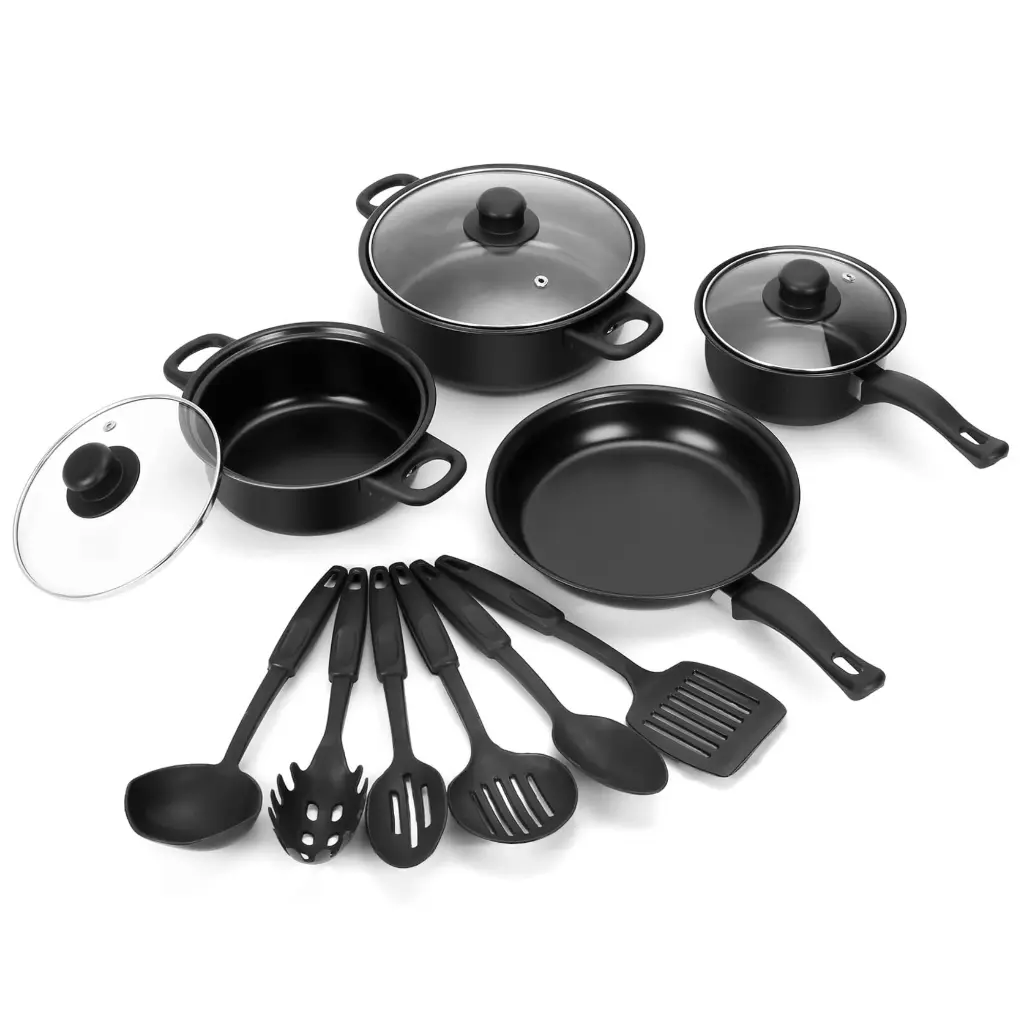
Buyer check for MSY: Request the documentation, care instructions and order conditions for the cookware and accessories you are evaluating. Compare these with your intended use before placing an order.
- ZWILLING J.A. Henckels: An example of a manufacturer to research when comparing knives and kitchenware. Check current product ranges, care requirements, distributor arrangements and business purchasing conditions directly with the manufacturer.
Buyer check for ZWILLING: Verify the exact range, intended use, care instructions and authorised purchasing route on the manufacturer’s website.
- de Buyer: An example of a manufacturer to research when comparing cookware and kitchen utensils. Review the exact material, intended use, compatible heat sources, care instructions and business purchasing route with the manufacturer.
Buyer check for de Buyer: Review the manufacturer’s specifications and care instructions for the exact cookware or utensil before comparing it with another range.
Additional Tips and Insights
To elevate your sourcing strategy, consider these advanced insights:
- Supplier Relationship Management: Foster long-term partnerships by maintaining open communication channels, conducting regular performance reviews, and collaborating on product development initiatives.
- Supply Chain Transparency: Prioritize suppliers that demonstrate transparency in their sourcing practices, ensuring ethical production methods and adherence to environmental regulations.
- Digital Transformation: Embrace digital tools such as eProcurement systems and cloud-based analytics platforms to streamline inventory management, track supplier performance metrics, and forecast demand accurately.
Measurements to Support Supplier Evaluation
Use your own purchasing records to compare suppliers against the same criteria:
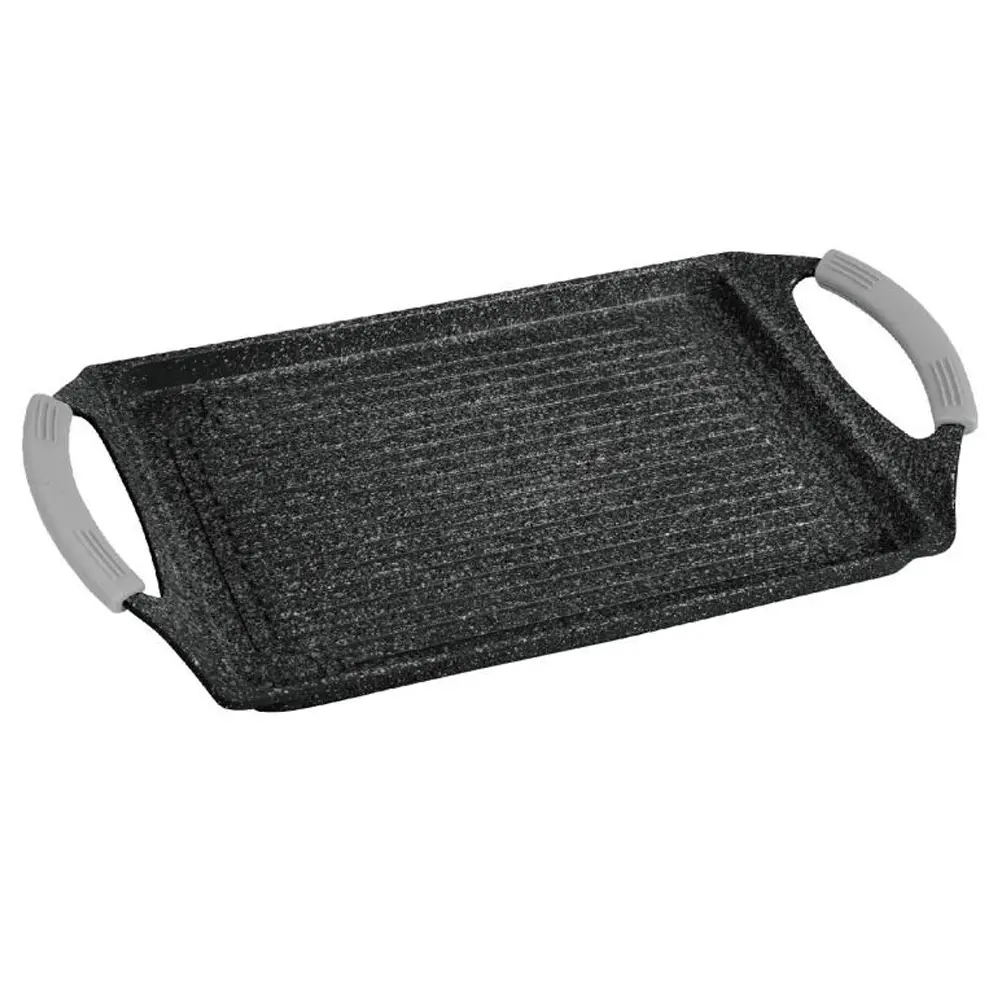
- Product quality: Compare samples, documented materials, care instructions and observed defects for the references under consideration.
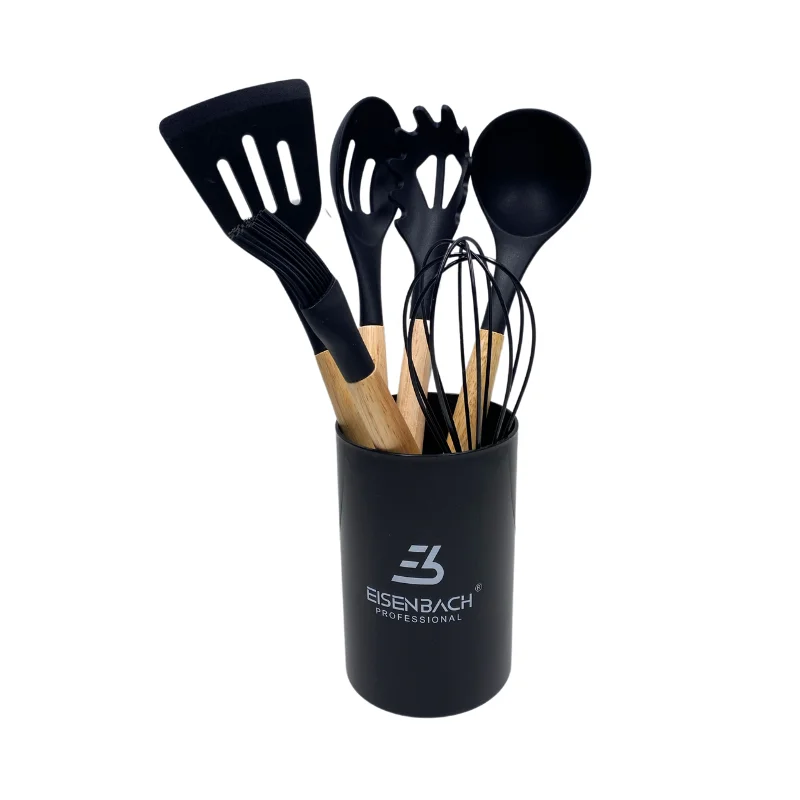
- Assortment availability: Record how many shortlisted references are available for your planned order and whether suitable alternatives exist.
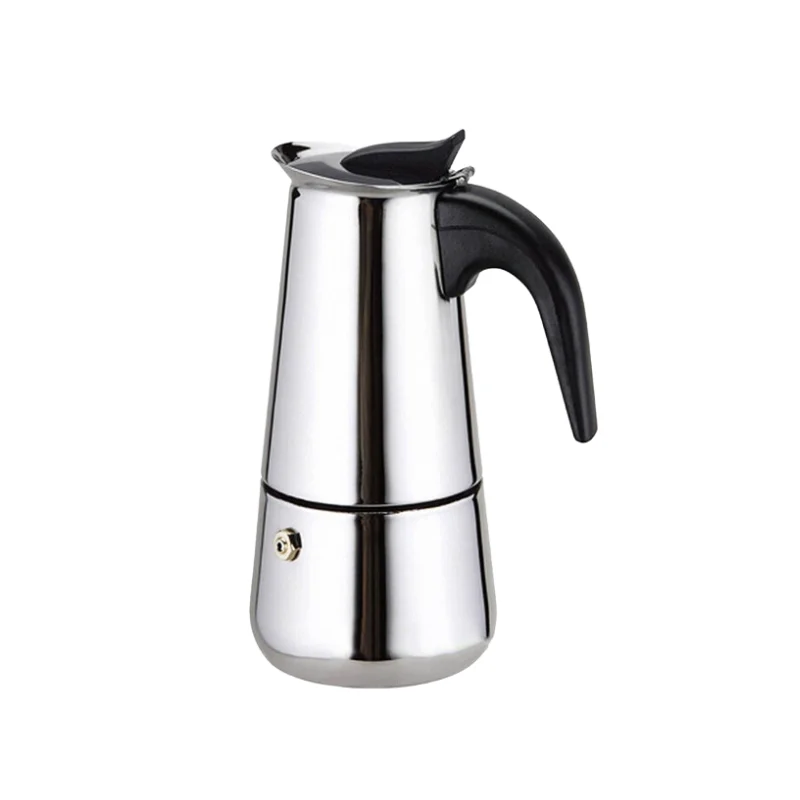
- Supplier reliability: Track confirmed delivery dates, actual receipt dates, order discrepancies and how issues were resolved.
Updates and Trends
Stay ahead by keeping up with the latest trends influencing the industry.
- Sustainable Sourcing: Emphasize the growing importance of sustainable sourcing practices, such as using recycled materials or supporting Fair Trade initiatives.
- Technological Innovations: Explore advancements like blockchain technology for supply chain transparency or AI-driven analytics for predictive procurement insights.
Interactive Elements
Engage your audience with interactive content:
- Supplier comparison checklist: For each candidate, record materials, sample results, minimum order value, delivery arrangements and the documentation supplied. Use the same criteria to compare offers.
- Expert Insights: Gain perspectives from industry leaders through features like supplier spotlight interviews. These insights can provide valuable strategies and best practices for optimizing B2B sourcing in the kitchenware sector, helping businesses stay competitive and informed.
User-Generated Content
Showcase real-world success stories:
- Case-study review: When a supplier provides a customer example, check the business context, starting conditions, measurement period and evidence behind the claimed savings. Do not assume the same outcome will apply to your order.
Global Perspective
Consider global sourcing dynamics:
- Regional Variations: Address how cultural preferences and regulatory differences impact sourcing decisions in diverse global markets. Understanding these nuances helps businesses tailor their sourcing strategies to meet local market demands effectively.
Conclusion
Efficient B2B sourcing of premium cookware and kitchen accessories demands meticulous planning, strategic supplier selection, and ongoing adaptation to industry trends. By leveraging advanced sourcing strategies, embracing technological innovations, and nurturing collaborative supplier relationships, businesses can achieve sustainable growth and operational excellence in the competitive marketplace.

 y luego Agregar a la pantalla de inicio.
